
Overview
The University Research Foundation has conducted extensive airborne flight testing and experimentation in support of advanced avionics, remote sensing, and mission-critical research programs. URF’s flight test work focuses on validating system performance in real-world operating environments and supporting the transition of emerging technologies from development to operational use.
Flight Test Experience
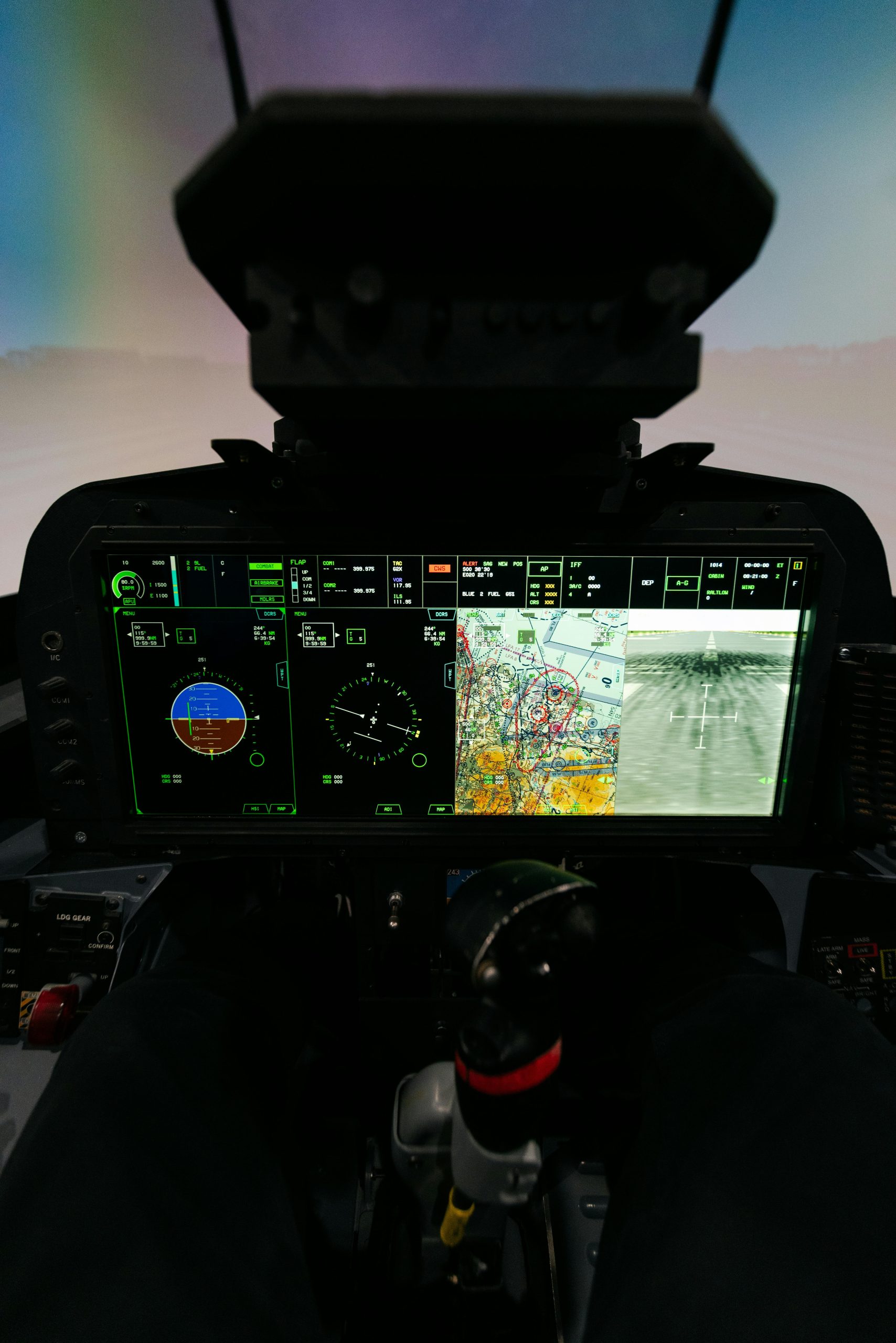
URF’s flight testing efforts have supported a wide range of research activities, including avionics system evaluation, electro-optic sensor testing, advanced data link demonstrations, flight performance and human factors studies, and environmental data collection.
These efforts have leveraged instrumented airborne platforms integrated with onboard workstations, data recording systems, and specialized payloads, enabling comprehensive in-flight evaluation while maintaining cost efficiency relative to large airborne test assets.
Research Applications
Airborne testing has supported URF research programs across avionics and flight-deck technologies, electro-optic and remote sensing systems, advanced data collection techniques, environmental monitoring, and sensor integration efforts. These flight activities enabled in-situ evaluation of system performance under representative operational conditions, providing high-quality data for validation, refinement, and technology transition. When combined with URF’s in-house data reduction and analytical capabilities, flight testing has played a critical role in advancing research outcomes for government and industry partners.